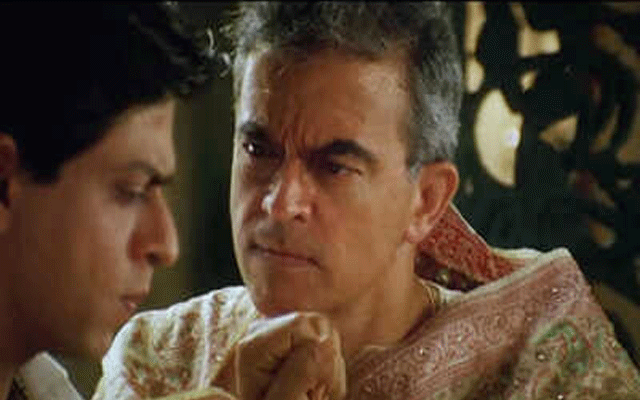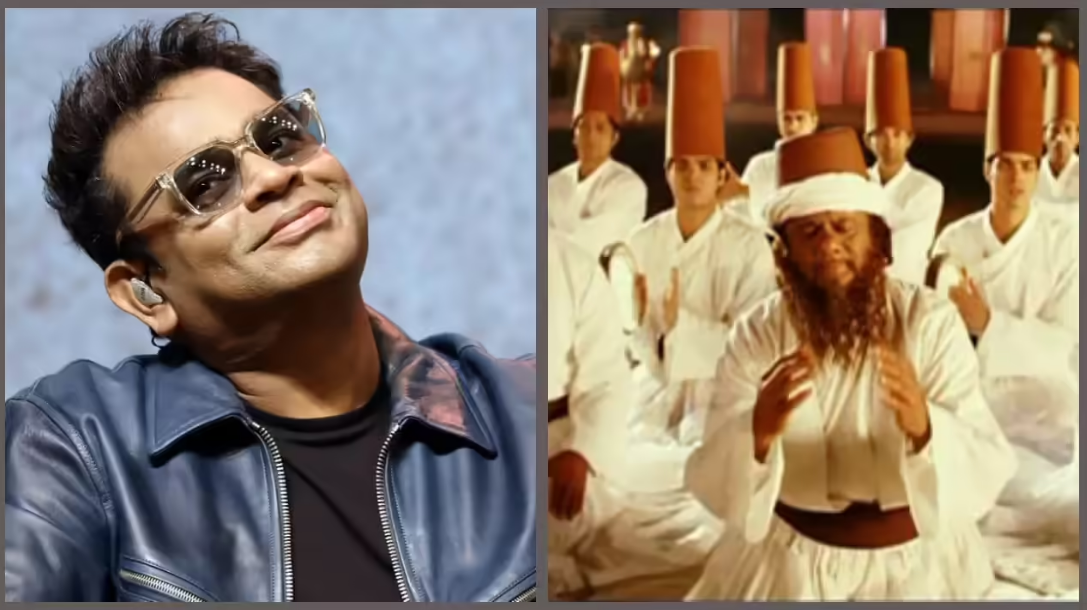
Legendary Indian composer AR Rahman has finally revealed the deeply spiritual inspiration behind one of his most iconic songs, “Khwaja Mere Khwaja”, from the 2008 historical epic Jodhaa Akbar. The story of how the song came to life is as soulful as the composition itself.
The Oscar-winning musician shared that “Khwaja Mere Khwaja” was not originally written for Jodhaa Akbar, despite its perfect fit within the film’s narrative. During a visit to the Ajmer Sharif Dargah, Rahman encountered a caretaker who reminded him that while he had composed a song dedicated to Pir Haji Ali, he had yet to create one for Khwaja Moinuddin Chishti, the revered Sufi saint of Ajmer.
The suggestion stayed with him. Later, while on a flight to Australia, Rahman tried composing a romantic melody but found himself unable to connect with the tune. In that moment, he decided to transform his creative block into a spiritual experience by dedicating the melody as a devotional offering to Khwaja. He recorded the initial version himself and invited lyricist Kaashif to pen the heartfelt words that would eventually become “Khwaja Mere Khwaja.”
When director Ashutosh Gowariker approached Rahman to compose music for Jodhaa Akbar, he initially intended to use only a short portion of the track. However, after hearing the complete version, Gowariker was so moved by its spiritual depth that he chose to include the entire song in the film without any alterations.
Rahman later reflected that the blessings of “Khwaja Mere Khwaja” played a meaningful role in his career, which reached new heights two years later when he won two Academy Awards for Slumdog Millionaire. The composer has often described the song as a personal connection to the divine and one of the most special pieces of music he has ever created.
Released in 2008, Jodhaa Akbar starred Hrithik Roshan as Emperor Akbar and Aishwarya Rai Bachchan as Jodhaa Bai. The song remains one of Bollywood’s most revered spiritual compositions, symbolizing Rahman’s unmatched ability to blend art, emotion, and faith into timeless music.