Pakistani social media personality Rajab Butt has come under heavy criticism after a controversial joke involving child sexual abuse during a TikTok Live session triggered anger across social media.
Rajab, who has millions of followers across various digital platforms, has recently been appearing in livestreams with other creators. During one session with comedian and content creator Zaid Ali, a discussion about Zaid’s facial expression reportedly took an unexpected turn when Rajab made a remark involving the sexual abuse of a child.
A clip from the livestream later circulated widely online, prompting strong reactions from users who questioned the decision to use such a sensitive subject as part of a joke.
The controversy has particularly focused on the seriousness of issues involving children and abuse. Critics argued that subjects involving violence and sexual exploitation should not be treated as casual entertainment, especially by creators with very large audiences.
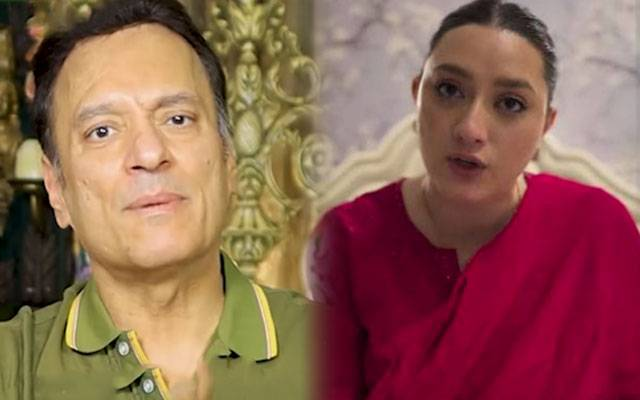
Actress Mishi Khan was among those who publicly reacted to the controversy. She questioned whether Rajab understood the seriousness of the words he had used and expressed disappointment over the nature of the remark.
Mishi also pointed out that cases involving violence and abuse against children are already a major social concern. In her view, such issues should be discussed with sensitivity rather than being used for humour during a livestream.
The actress said she had previously spoken positively about Rajab, making the latest incident particularly disappointing for her. She urged him to be more careful with his choice of words, particularly when addressing sensitive subjects in front of millions of viewers.
Mishi further emphasized that having a large social media platform comes with responsibility. A statement made as a joke by a prominent creator can reach a huge audience within minutes, potentially influencing the way viewers perceive serious social issues.
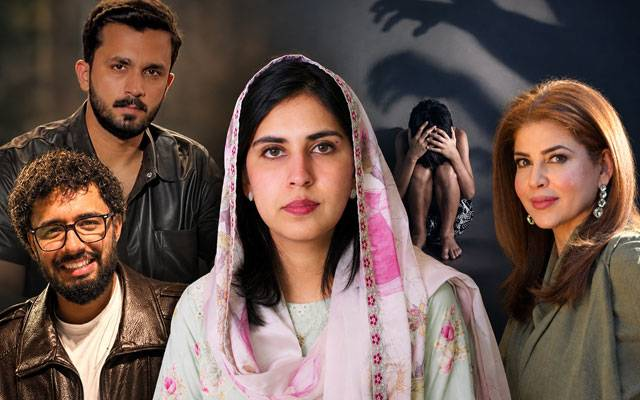
Influencer Muhammad Ahmad also criticized the incident, focusing on the responsibilities associated with having a massive following.
According to Ahmad, popularity should not be measured only by followers, views or engagement. A large audience also means that creators have greater influence, and their words can be repeated, shared and potentially imitated by younger viewers.
Ahmad argued that remarks involving harm to children should not simply be dismissed as dark humour. He questioned the normalization of serious subjects when they are repeatedly presented as entertainment on social media.
The influencer also highlighted the fact that many young people follow prominent digital creators. Because of this, he suggested that influencers should think about the possible impact of their comments before making controversial jokes during public livestreams.
Another issue raised by Ahmad concerned the role audiences play in creating internet celebrities. He argued that views, likes, shares and followers help determine which creators receive greater attention and influence.
He encouraged audiences to consider the type of behaviour they reward with engagement, suggesting that online popularity is partly shaped by what viewers repeatedly choose to watch and share.
Ahmad also raised questions about differences in how male and female public figures are treated following controversies. He questioned whether a female celebrity making a similar remark would receive the same level of support and forgiveness that male public figures sometimes receive.
The controversy has consequently developed into a broader discussion about the boundaries of humour on social media. While creators can use comedy and satire in their content, critics argue that topics involving children, violence and sexual abuse require particular sensitivity.
Several social media users have also condemned Rajab’s remarks, with some calling for greater accountability from platforms and creators. Others questioned why extremely sensitive issues continue to appear as jokes during livestreams watched by large audiences.
The incident has added another controversial chapter to Rajab Butt’s already eventful presence on social media. The creator has previously faced criticism over various online disputes and contentious moments.
The latest backlash once again puts the spotlight on the responsibility of influencers whose content reaches millions of people, particularly when their audiences include younger viewers.
As the clip continues to circulate online, the debate is increasingly centered not only on Rajab Butt’s particular remark but also on the wider question of how far online humour should go and where creators should draw the line when discussing serious issues involving vulnerable people.