

Pakistan and China are preparing for the next stage of the China-Pakistan Economic Corridor (CPEC), with a focus on rejuvenating existing projects and establishing the foundation for new initiatives that would significantly transform the economic situation in the region. Introduced in 2014 as a component of China’s ambitious Belt and Road Initiative (BRI), CPEC has become a powerful force with the goal of linking China’s northwestern Xinjiang province to the strategically important port of Gwadar in southwestern Balochistan province. This marks the beginning of a new period of economic collaboration and infrastructure advancement.

The importance of CPEC cannot be exaggerated. The corridor, with a projected investment of $64 billion, will not only improve connectivity between China and Pakistan but also boost economic growth, generate employment opportunities, and enable commerce and investment along its path. Nevertheless, the project has faced obstacles, including opposition from different groups and security risks that have impeded its advancement.
The recent acts of terrorism aimed at Chinese laborers in Pakistan highlight the intricate security dynamics that persistently plague the region. Such incidents emphasize the immediate necessity for improved security protocols and increased collaboration between Pakistan and China to protect the interests of all parties involved in CPEC.
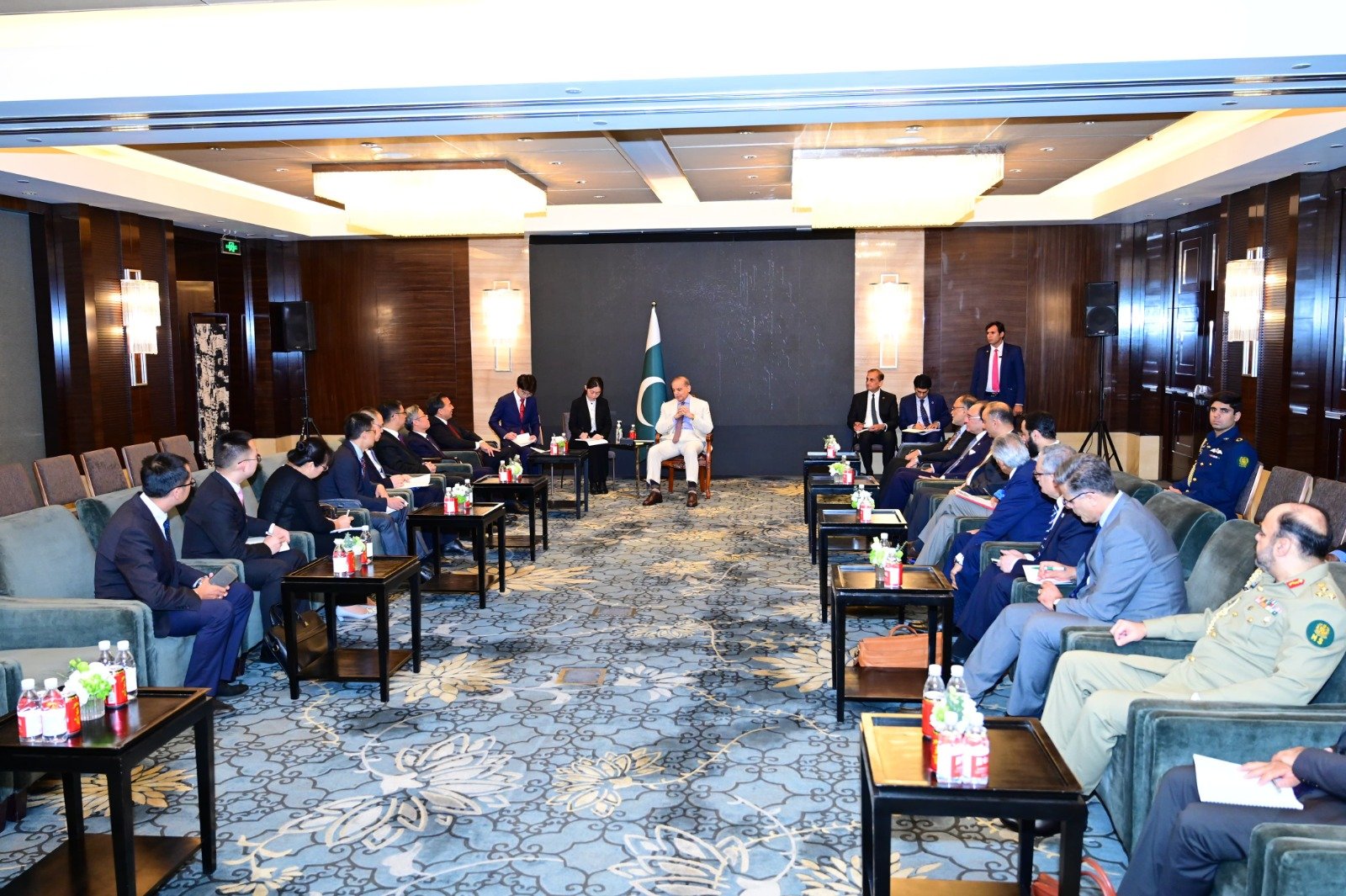
Although facing these difficulties, there is a noticeable feeling of progress as both nations focus on the next stage of CPEC. Islamabad’s attempts to rejuvenate existing projects and commence new ones demonstrate a renewed dedication to achieving the complete potential of this revolutionary undertaking. The visit of Prime Minister Shehbaz Sharif to China highlights the crucial role of CPEC in promoting economic growth and regional integration.
The postponement of the second phase of CPEC, which was caused by causes such as political instability and project slowdowns, highlights the significance of resolving crucial obstacles and improving the execution process. The imminent arrival of the Chinese president in Pakistan carries great prospective, offering a chance to formally launch crucial initiatives like the Gwadar International Airport and initiate the subsequent stage of CPEC.
The resolution of pending problems, including the settlement of prior payments and the resolution of concerns over project implementation, is crucial for the success of the second phase of CPEC. Pakistan’s effort to enhance Chinese investment highlights its dedication to using CPEC as a driving force for economic expansion and progress. By promoting stronger economic connections and encouraging increased investment, both nations have the potential to gain from the shared prospects presented by CPEC.

In order to successfully implement the second phase of CPEC, it is essential that all stakeholders, including governments, private sector entities, and local people, collaborate and make a joint effort. In order to effectively deal with the complexities and challenges that lie ahead, it will be crucial to have collaboration, openness, and effective governance. Pakistan and China have the chance to redefine the parameters of regional cooperation and set a direction towards mutual prosperity and stability as they begin this new phase of their partnership.
Eventually, the transition of CPEC into its second phase signifies a crucial juncture in the economic transformation of Pakistan and China. By harnessing previous accomplishments and addressing crucial obstacles, both nations may open fresh prospects for expansion, creativity, and cooperation. The realization of a more interconnected, wealthy, and resilient region through CPEC is still attainable as the journey progresses, but it requires the combined efforts and determination of all stakeholders engaged.