Pakistani television is witnessing a noticeable shift as recent dramas increasingly highlight emotionally mature and progressive male characters, earning praise from audiences for challenging long-standing stereotypes.
Viewers have particularly appreciated recent storytelling in dramas like Zanjeerain and Kafeel, where male characters are portrayed with empathy, emotional awareness, and a strong sense of responsibility toward their families.
Across both dramas, audiences have responded positively to portrayals of brothers and sons who prioritize emotional support and care rather than dominance or rigid traditional roles. These narratives are being seen as a reflection of a gradual but meaningful transformation in how masculinity is represented on screen.
In Zanjeerain, one widely discussed scene shows a brother thoughtfully engaging with a potential groom for his sister. Instead of treating the interaction casually, the character carefully evaluates the man’s background, financial stability, and intentions regarding the marriage proposal. Viewers have praised this moment for depicting a responsible and emotionally invested sibling relationship.
The drama has gained further attention for its cinematic presentation and emotional storytelling. Written by Farhat Ishtiaq and directed by Shahzad Kashmiri under Momina Duraid Productions, Zanjeerain has been described as one of the most ambitious projects of the season. Its cast includes prominent names such as Sajal Aly, Ameer Gilani, Sehar Hashmi, Danyal Zafar, Samiya Mumtaz, Ahsan Khan, Moomal Sheikh, and Adnan Siddiqui.
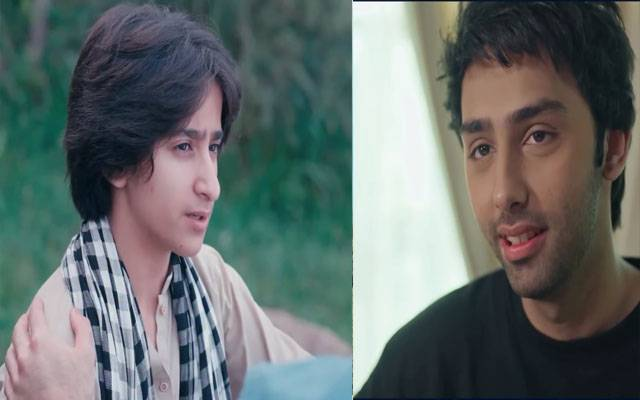
Similarly, Kafeel has sparked conversation for its emotional depth, particularly a storyline involving a son who prioritizes his mother’s happiness and future well-being. Played by Aashir Wajahat, the character is shown considering the idea of companionship for his mother after witnessing her struggles, a narrative many viewers found both refreshing and emotionally powerful.
Online audiences have widely appreciated these portrayals, noting that they move away from outdated stereotypes and instead focus on emotional intelligence, care, and mutual respect within family structures. Many viewers believe this represents a positive shift in Pakistani storytelling, where masculinity is increasingly defined by empathy rather than control.
At the same time, discussions around Kafeel’s conclusion have sparked debate among viewers, particularly regarding its emotional resolution and the impact on family dynamics. Despite differing opinions, audiences largely agree that the drama successfully opened conversations about healing, motherhood, and emotional responsibility.
Overall, both dramas are being recognized as part of a broader evolution in Pakistani television, where storytelling is gradually embracing more nuanced and emotionally grounded male characters. For many viewers, this shift signals a meaningful step forward in the industry’s narrative direction.